

Did you know that rye, a grain often overshadowed by wheat, boasts a rich history and a unique set of characteristics that make it a star in the culinary world? In fact, rye has been cultivated for thousands of years, even predating wheat in some regions of Europe.
It’s estimated that rye was a significant crop in Northern Europe as early as 1500 BCE. This ancient grain offers a distinct flavor and texture that can elevate a wide range of baked goods and even find its way into other interesting applications.
Understanding Rye Flour: Flavor and Characteristics
Rye flour is milled from the rye grain, a cereal grass closely related to wheat. Unlike wheat flour, rye flour has a lower gluten content. Gluten is the protein network that gives dough its elasticity and structure, allowing it to rise and hold its shape. This lower gluten content means that rye dough can be denser and less elastic than wheat dough.
The flavor of rye flour is often described as earthy, nutty, and slightly sour or tangy. This distinctive taste is one of its most appealing qualities, especially for those seeking a more complex flavor profile in their baked goods. The color of rye flour can range from light to dark, depending on how much of the bran and germ are included during the milling process.
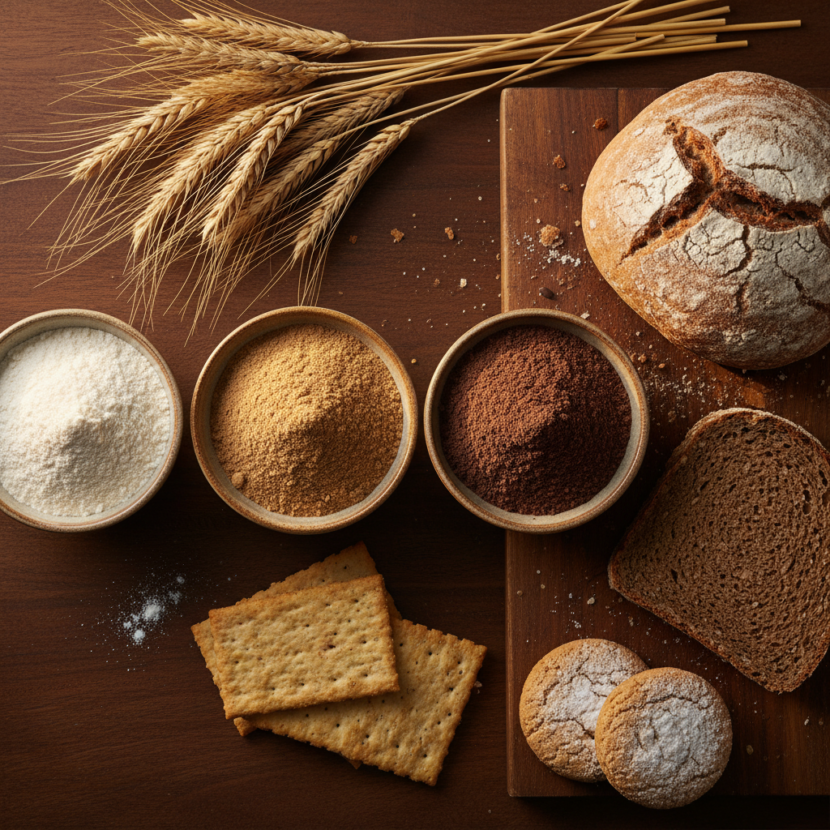
- Light Rye Flour: This is made from the endosperm only and has a milder flavor and lighter color.
- Medium Rye Flour: Contains some bran and germ, offering a more pronounced rye flavor.
- Dark Rye Flour (Pumpernickel Flour): Includes nearly all parts of the grain, resulting in the darkest color and the most robust, tangy flavor.
Culinary Uses of Rye Flour
The unique properties of rye flour lend themselves to a variety of delicious applications:
1. Breads: The Star of the Show
Rye bread is perhaps the most well-known use for rye flour. Its dense texture and robust flavor make it a staple in many European cuisines, particularly in Scandinavia, Germany, and Eastern Europe.
- Rye Sourdough: The natural acidity of rye flour pairs exceptionally well with the fermentation process of sourdough. This results in a deeply flavored, chewy loaf with a characteristic tang. Many traditional rye breads are made using a sourdough starter.
- Pumpernickel Bread: This dense, dark rye bread is a classic. Traditionally, it’s made with coarsely ground rye flour and often baked for extended periods at low temperatures, sometimes even in a steam-filled environment.
- Rye and Wheat Blends: Because of its lower gluten content, rye flour is often blended with wheat flour (like all-purpose or bread flour) to create breads with a lighter texture and improved rise while still retaining some of rye’s unique flavor. A common ratio might be 50% rye and 50% wheat, but this can vary widely.
2. Pastries and Cookies
While not as common as in bread, rye flour can add an interesting dimension to pastries and cookies.
- Rye Cookies: Think of cookies with a slightly crispier texture and a deeper, nuttier flavor. Rye flour can be used in place of a portion of all-purpose flour in recipes for chocolate chip cookies, gingerbread, or shortbread.
- Savory Pastries: Its earthy notes make rye flour a good choice for savory tarts, quiches, or even as a component in pie crusts for a less sweet, more robust flavor.
3. Other Baking Applications
- Pancakes and Waffles: Adding some rye flour to your pancake or waffle batter can introduce a pleasant nutty flavor and a slightly chewier texture.
- Crackers: Rye flour is excellent for making crisp, flavorful crackers. Its texture helps create a satisfying crunch.
Beyond Baking: Other Uses of Rye
While its primary use is in baking, rye has other applications:
- Animal Feed: Rye is a nutritious grain that is often used as feed for livestock.
- Beverages: Historically, rye has been used in the production of certain alcoholic beverages, most notably rye whiskey. The distinct flavor of rye grain is a key characteristic of this spirit. You can learn more about the history and production of rye whiskey on the American Distilling Institute.
- Green Manure/Cover Crop: In agriculture, rye is sometimes planted as a cover crop. It helps improve soil health by preventing erosion, suppressing weeds, and adding organic matter when tilled back into the soil. For more on cover crops, the U.S. Department of Agriculture (USDA) provides extensive resources.
Nutritional Benefits of Rye Flour
Rye flour is a good source of dietary fiber, vitamins (particularly B vitamins), and minerals like manganese, magnesium, and phosphorus. According to the USDA FoodData Central, whole grain rye flour is particularly nutrient-dense. Its fiber content can contribute to digestive health and help you feel full longer.
Conclusion
Rye flour offers a unique flavor and texture profile that sets it apart from other flours. Whether you’re looking to bake a hearty loaf of rye bread, experiment with flavorful cookies, or explore its historical significance in beverages, rye flour is a versatile ingredient with a rich culinary heritage. Its earthy notes and nutritional benefits make it a worthwhile addition to any kitchen pantry.
Frequently Asked Questions (FAQs)
Q1: Is rye flour gluten-free? A1: No, rye flour is not gluten-free. It contains gluten, although in lower amounts than wheat flour. People with celiac disease or gluten sensitivity should avoid rye flour.
Q2: Can I substitute rye flour for all-purpose flour in any recipe? A2: You can substitute rye flour for a portion of all-purpose flour, but it’s generally not recommended to replace 100% of it in recipes designed for wheat flour. Due to its lower gluten content, it can lead to denser, flatter baked goods. It’s often best to start with substituting 25-50% of the all-purpose flour with rye flour.
Q3: What is the difference between light, medium, and dark rye flour? A3: The difference lies in the amount of bran and germ included in the flour. Light rye flour is mostly endosperm, medium rye has some bran and germ, and dark rye (pumpernickel) contains almost the entire grain, giving it the strongest flavor and darkest color.
Q4: How should I store rye flour? A4: Like other whole grain flours, rye flour contains oils from the germ that can go rancid. It’s best stored in an airtight container in a cool, dark place, or even in the refrigerator or freezer for longer storage.